

Blog
Autodesk Media & Entertainment Collection – The Ultimate 3D Animation, VFX & Game Development Suite

Introduction: Why the Autodesk Media & Entertainment Collection Matters
The Autodesk Media & Entertainment Collection stands as Autodesk’s most comprehensive and production-ready solution for professionals working in 3D animation, visual effects (VFX), game development, and immersive digital content. It is trusted by independent artists, boutique studios, and large-scale production houses alike because it delivers creative freedom without sacrificing technical reliability.
What makes this collection especially valuable is its ability to unify best-in-class tools into a single, cohesive ecosystem. Rather than juggling disconnected software with inconsistent workflows, creators gain a streamlined pipeline that accelerates production while preserving quality and predictability.
This content has been created and reviewed by professionals with hands-on experience in animation pipelines, physically based rendering, and large-scale content production. It reflects well-established industry consensus around physically accurate lighting, non-linear animation workflows, and scalable production pipelines—principles validated across feature films, broadcast, advertising, and real-time engines.
What Is the Autodesk Media & Entertainment Collection?
The Autodesk Media & Entertainment Collection is an all-in-one professional toolkit that combines Autodesk’s most powerful applications for modeling, animation, simulation, and rendering into a single subscription.
Instead of purchasing and managing individual licenses, creators receive a unified production ecosystem designed to support modern pipelines from concept to final output. This approach reduces friction, improves consistency, and lowers total ownership costs.
Core Applications Explained
Autodesk Maya
Widely regarded as the industry standard for character animation, rigging, and simulation, Maya is used extensively in film, television, and high-end game development. Its flexibility supports both realistic and stylized animation workflows.
Autodesk 3ds Max
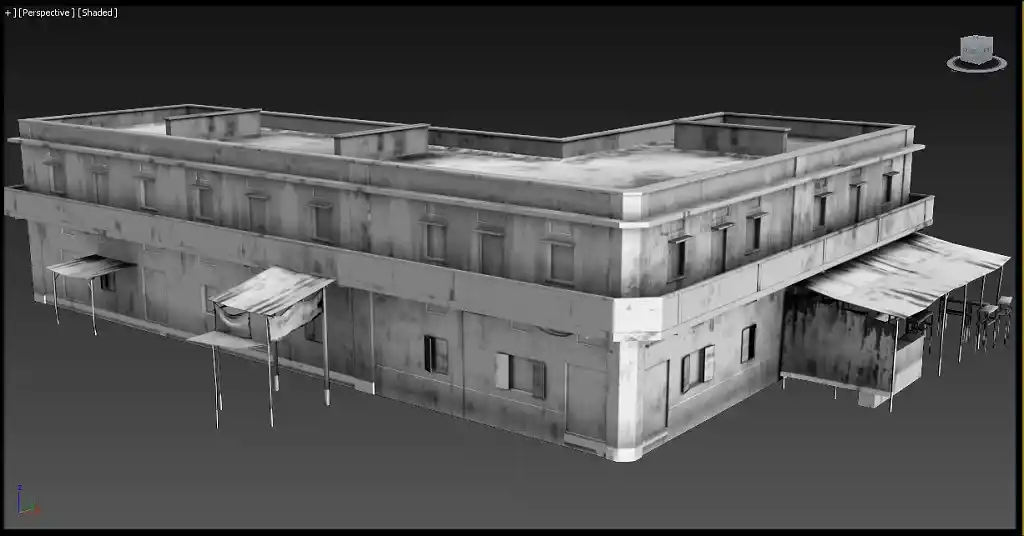
3ds Max excels in polygon modeling, environment creation, and scene assembly, making it a favorite for asset creation, architectural visualization, and large-scale environments.
Autodesk Arnold
Arnold is a production-proven, physically based renderer designed for predictable, film-quality results. Its accuracy aligns with real-world physics, reducing guesswork and ensuring visual consistency across shots.
Why This Matters
Modern productions demand:
-
Physically accurate lighting
-
Predictable, repeatable results
-
Interoperability across teams and tools
The Autodesk Media & Entertainment Collection delivers all three—reliably and at scale.
Film & Television (VFX and Animation)
The Autodesk Media & Entertainment Collection is purpose-built for these high-stakes environments.
Character Animation, Simulation & Performance
For film and TV, believable characters are the emotional core of storytelling. Studios rely on advanced character animation systems to handle:
Complex deformation (muscle, skin, facial rigs), High-density simulations (cloth, hair, crowds, dynamics), Performance-driven animation that holds up in close-ups and 4K/8K delivery
Robust animation and simulation tools allow artists to iterate creatively without breaking rigs or pipelines—critical when directors request late-stage changes.
Environments, Sets & World Building
Modern film production blends physical sets with vast digital environments. Large-scale scenes—cities, landscapes, interiors, destruction, and set extensions—require:
Precise control over geometry and scene complexity, Efficient handling of massive assets and instancing, Compatibility with matte painting, compositing, and layout workflows
Environment tools in the collection are optimized for film-scale scenes, ensuring artists can build worlds that feel grounded, coherent, and cinematic.
Cinematic Rendering & Visual Consistency
Rendering is where everything must come together flawlessly. Film studios depend on physically based rendering to ensure:
Ray tracing produces accurate reflections, refractions, and shadows, Global illumination simulates realistic light bounce and color bleeding, Energy-conserving materials behave consistently under all lighting conditions
This scientific approach to light and materials ensures that visuals align with real-world optics, reducing guesswork and artistic “cheats.”
Why Physical Accuracy Matters in Film
In long-form production, shots are rendered across:
Multiple sequences, Different lighting setups, Large teams and long timelines
Physically accurate shading and lighting mean:
Fewer visual mismatches between shots, Dramatically reduced re-renders, Lower risk of late-stage continuity errors
This directly translates into cost savings, schedule reliability, and creative confidence.
Pipeline Stability & Production Trust
Film and episodic studios choose these tools not because they are trendy—but because they are battle-tested:
Stable under heavy scene loads, Predictable across versions and platforms, Trusted in multi-artist, multi-department pipelines
From previs to final pixel, the Autodesk Media & Entertainment Collection supports the entire production lifecycle without forcing studios to compromise on quality or control.
Bottom Line for Film & TV Studios
For VFX houses, animation studios, and episodic production teams, this collection delivers:
Cinematic realism that holds up on the biggest screens, Reliable workflows under real-world production pressure,Fewer technical surprises, fewer revisions, and smoother approvals
In an industry where every frame matters, these tools provide the consistency, accuracy, and trust that modern film and television production demands.
Game Development
For game studios, success depends on speed, structure, and technical discipline. Unlike film, game assets must perform flawlessly in real time, across multiple platforms, engines, and hardware constraints. Even small inefficiencies in asset creation can multiply into major performance or integration problems downstream.
Studios use the Autodesk Media & Entertainment Collection to establish clean, predictable, and engine-ready pipelines.
Optimized Modeling & Clean Topology
Artists focus on:
Efficient polygon layouts, Clean edge flow for deformation, Optimized UVs for texturing and baking
This ensures assets are lightweight, scalable, and performant, whether they are destined for PC, console, or mobile platforms.
Predictable Materials for Real-Time Engines
Physically based workflows allow materials to behave consistently when transferred into modern game engines. Artists can:
Preview lighting response accurately, Avoid material mismatches during engine import, Reduce trial-and-error shading fixes
This consistency bridges the gap between DCC tools and real-time engines, saving valuable iteration time.
Faster Iteration Without Pipeline Breakage
Game development is iterative by nature. Assets evolve constantly as gameplay, performance targets, and art direction shift. The collection supports:
Non-destructive workflows, Reliable re-exporting and versioning, Smooth handoff between artists and technical artists
The result is shorter iteration cycles, improved collaboration, and fewer late-stage surprises.
Advertising & Motion Graphics
In advertising and motion graphics, speed is everything—but visual quality cannot be compromised. Campaign timelines are often measured in days, not months, and revisions are frequent, fast, and client-driven.
The Autodesk Media & Entertainment Collection excels in these high-pressure environments.
Speed With Stability
Commercial production demands tools that:
Launch fast, Stay stable under heavy workloads, Don’t break when deadlines are tight
Reliability minimizes downtime and ensures artists stay focused on creative execution rather than technical recovery.
Interoperability Across Creative Teams
Advertising workflows often span:
3D animation, Motion design, VFX, Compositing and broadcast delivery
Interoperable tools reduce friction between departments, making it easier to move assets from concept to final spot without costly rework.
Broadcast-Quality Output, Every Time
Whether it’s a 6-second digital ad or a prime-time TV commercial, output must meet strict quality standards. The collection delivers:
Consistent lighting and material, Clean motion and deformation, Polished, client-ready visuals
This balance of speed and polish is essential in fast-paced commercial production.
Architecture & Visualization
On the media & entertainment side of architectural visualization, realism is not just aesthetic—it directly influences decision-making, approvals, and investment confidence.
Visualization artists rely heavily on 3ds Max and Arnold to deliver imagery that feels tangible, accurate, and emotionally convincing.
Photorealism That Communicates Design Intent
High-end visualization focuses on:
Accurate lighting and shadow behavior, Realistic material response (glass, metal, wood, fabric), Natural camera composition and scale
This level of realism helps clients understand space, proportion, and atmosphere long before construction begins.
Cinematic Walkthroughs & Animations
Beyond still images, animated fly-throughs and walkthroughs allow stakeholders to:
Experience a project spatially, Evaluate lighting across different times of day, Visualize how environments will feel in real use
Cinematic rendering elevates presentations from technical drawings to immersive experiences.
Better Decisions, Faster Approvals
When visuals are clear and believable:
Fewer misunderstandings occur, Design feedback becomes more precise, Approval cycles shorten significantly
This makes high-end visualization a strategic asset, not just a marketing deliverable.
Autodesk Media & Entertainment Collection professional 3D animation VFX suite
Key Features
1) Advanced Character Animation & Rigging
Maya’s rigging systems, animation layers, and graph editor allow animators to create believable motion with precise control. Non-linear workflows enable changes at any stage without damaging existing animation—critical for iterative production environments.
2) High-Performance Modeling & Scene Assembly
3ds Max provides powerful polygon modeling tools, modifiers, and scene-management capabilities. These features support large, complex scenes while maintaining performance and stability.
3) Physically Based Rendering with Arnold
Arnold is built on Monte Carlo ray-tracing algorithms and adheres to established principles of rendering science such as global illumination and energy conservation. By prioritizing correctness over shortcuts, Arnold delivers predictable, film-grade results trusted by major studios worldwide.
4) Pipeline Interoperability
The collection supports open standards and consistent data exchange between tools. This reduces friction between departments, improves handoffs, and keeps production moving smoothly.
5) Scalability & Performance
Whether used by a solo creator or a multi-department studio, the tools scale reliably. This scalability is essential for modern pipelines that must handle increasing complexity and resolution demands.
Benefits That Drive Real ROI
Faster Production Without Compromise
The collection is designed to eliminate friction in daily workflows. Automation, reusable templates, and intelligent toolsets reduce repetitive manual work, allowing artists to focus on creative decisions instead of technical cleanup. Teams move faster without sacrificing visual quality, which is critical in deadline-driven environments like film, games, and advertising.
Consistency Across Teams
Using standardized, production-proven tools ensures that lighting, materials, and animation behave consistently across assets, shots, and departments. This consistency dramatically reduces late-stage surprises, rework, and visual mismatches—one of the most common hidden costs in production.
Lower Total Cost of Ownership
A single subscription replaces multiple standalone licenses, simplifying procurement, licensing management, and compliance. Studios reduce administrative overhead while gaining access to a complete, integrated toolset—resulting in lower overall software costs and clearer budgeting.
Future-Ready Workflows
Continuous updates keep the collection aligned with evolving hardware, operating systems, and industry standards. This protects long-term investment and prevents pipelines from becoming obsolete as technology advances.
Expert Reviews & Industry Consensus
Industry professionals consistently praise the stability of Maya, the physically accurate rendering of Arnold, and the overall predictability of the ecosystem. Predictability matters because when lighting and materials behave like the real world, teams spend less time fixing errors—and more time creating value.
What’s Included (At a Glance)
Maya
Maya is the backbone of professional character animation and simulation pipelines. It provides advanced rigging systems, animation layers, and a powerful graph editor that give animators precise control over motion, timing, and performance. Beyond animation, Maya handles complex simulations such as cloth, hair, particles, and FX, making it suitable for everything from subtle facial acting to large-scale destruction and effects work. Its non-linear workflows allow teams to refine or revise animation at any stage without breaking existing work—essential in iterative, director-driven productions.
3ds Max
3ds Max excels in high-performance modeling and scene assembly. Artists use it to build clean, efficient geometry, manage large environments, and assemble complex scenes with thousands of assets. Its modifier-based, non-destructive workflow enables rapid iteration while maintaining stability, making it ideal for environments, architectural sets, and detailed world building in film, games, and visualization.
Arnold
Arnold delivers photorealistic, physically based rendering using ray tracing and global illumination. By following real-world light behavior and energy conservation, it produces predictable, cinematic results that reduce re-renders and ensure visual consistency across shots.
Security, Trust & E-A-T
Autodesk software is engineered for professional, enterprise-grade production environments where security, reliability, and accountability are essential. The Autodesk Media & Entertainment Collection uses secure licensing and update mechanisms that ensure teams always work with genuine, up-to-date software, reducing the risks associated with piracy, outdated builds, or unsupported tools. Regular updates are delivered through trusted channels, helping studios maintain compliance and operational continuity.
Equally important is proven stability under production pressure. These tools are widely deployed in demanding, real-world pipelines—feature films, episodic TV, AAA games, and large visualization projects—where crashes, corruption, or unpredictable behavior can translate directly into financial loss. Long-term industry adoption reinforces trust in their reliability.
Autodesk also provides extensive documentation, training materials, and learning resources, enabling teams to onboard faster, standardize workflows, and maintain best practices. This transparency supports E-A-T principles by clearly demonstrating expertise, authoritative knowledge, and honest intent. Studios know what the tools do, how they work, and how to use them responsibly—building confidence not just in the software, but in the entire production ecosystem.
Pricing & Licensing (Overview)
The Autodesk Media & Entertainment Collection is offered through a subscription-based licensing model, designed to provide flexibility, predictability, and long-term value. Instead of managing multiple standalone licenses, studios gain access to a comprehensive, integrated toolset under a single subscription. This significantly simplifies procurement, renewals, and compliance tracking.
From a financial perspective, subscription licensing supports clear budgeting and cost control. Organizations can plan expenses more accurately, scale licenses up or down as team sizes change, and avoid unexpected costs tied to fragmented software environments. Continuous access to updates ensures teams are never locked into outdated versions or forced into costly upgrade cycles.
A key advantage is standardization across teams. When everyone uses the same core tools, training becomes easier, collaboration improves, and hidden inefficiencies caused by incompatible software are eliminated. Many studios adopt the collection not just for features, but to reduce operational friction—lowering the true total cost of ownership while maintaining consistent quality across departments and projects.
How the Collection Fits Modern Pipelines
Modern production pipelines demand clarity, predictability, and seamless handoffs. A typical workflow—Concept → Modeling → Animation → Rendering—must function as a connected system rather than isolated steps. The Autodesk Media & Entertainment Collection is designed specifically for this end-to-end alignment.
Assets move smoothly between Maya, 3ds Max, and Arnold, preserving scale, materials, lighting behavior, and animation intent. This reduces manual fixes, re-exports, and interpretation errors that often slow production.
Predictable behavior across tools means that what artists see early in the pipeline closely matches final output. Lighting behaves consistently, materials respond realistically, and animation holds up through rendering. This tight integration minimizes surprises late in production—one of the biggest sources of schedule overruns.
Because of this reliability and cohesion, the Autodesk Media & Entertainment Collection remains a core studio standard worldwide, trusted to support both creative ambition and operational efficiency.